Databricks Volumes Unity Catalog
Databricks Volumes Unity Catalog - Volumes provide capabilities for accessing, storing, governing,. To reduce risk, always use external volumes for operations that require. Catalog explorer provides options for common file management tasks for files stored with unity catalog volumes. Power bi semantic models can be. Databricks apps do not support direct access to unity catalog volumes without using the sdk. Since its launch several years ago unity catalog has. To interact with files in a volume, do the following: A workspace with unity catalog enabled. In databricks runtime 13.3 lts and above, databricks recommends using volumes to store jars and init scripts for compute with dedicated or standard access modes. The following shows the grants on the default schema for the workspace users. Catalog explorer provides options for common file management tasks for files stored with unity catalog volumes. In databricks runtime 13.3 lts and above, databricks recommends using volumes to store jars and init scripts for compute with dedicated or standard access modes. For details about managed and external volumes, see managed vs. Volumes are unity catalog objects representing a logical volume of storage in a cloud object storage location. To reduce risk, always use external volumes for operations that require. Unity catalog provides centralized access control, auditing, lineage, and data discovery. Unity catalog is a unified governance solution for data and ai assets on databricks. For a general overview of volumes, see what are unity catalog volumes?. Unity catalog provides centralized access control, auditing, lineage, and data discovery capabilities across databricks workspaces. To interact with files in a volume, do the following: For a general overview of volumes, see what are unity catalog volumes?. Volumes are unity catalog objects representing a logical volume of storage in a cloud object storage location. Unity catalog provides centralized access control, auditing, lineage, and data discovery. Volumes provide capabilities for accessing, storing, governing,. Power bi semantic models can be. Power bi semantic models can be. Unity catalog provides centralized access control, auditing, lineage, and data discovery. Volumes represent a logical volume of storage in a cloud object storage location. The following shows the grants on the default schema for the workspace users. For a general overview of volumes, see what are unity catalog volumes?. For more information, see set up and manage unity catalog. The implementation of unity catalog. Volumes are unity catalog objects representing a logical volume of storage in a cloud object storage location. Unity catalog provides centralized access control, auditing, lineage, and data discovery capabilities across databricks workspaces. Volumes are unity catalog objects representing a logical volume of storage in a. To interact with files in a volume, do the following: Volumes represent a logical volume of storage in a cloud object storage location. Databricks cli version 0.218.0 or above, and authentication is configured. Unity catalog is a unified governance solution for data and ai assets on databricks. In databricks runtime 13.3 lts and above, databricks recommends using volumes to store. Catalog explorer provides options for common file management tasks for files stored with unity catalog volumes. Power bi semantic models can be. Use system.information_schema.tables to display available table names and their data source formats. Catalog explorer provides options for common file management tasks for files stored with unity catalog volumes. Groupement mousquetaires는 unity catalog와 함께 통합 데이터 거버넌스를 실현하여 브랜드. With a strong foundation, clear business value from early wins, and continued alignment across teams, we’re now on track to reach 100% unity catalog adoption across all. In databricks runtime 13.3 lts and above, databricks recommends using volumes to store jars and init scripts for compute with dedicated or standard access modes. Unity catalog is the central place to. Use. Key features of unity catalog include:. A workspace with unity catalog enabled. Power bi semantic models can be. Unity catalog is a unified governance solution for data and ai assets on databricks. This document explains the basic introduction to the identity and access management module called unity catalog in databricks. Volumes provide capabilities for accessing, storing, governing,. Use system.information_schema.tables to display available table names and their data source formats. A workspace with unity catalog enabled. This document explains the basic introduction to the identity and access management module called unity catalog in databricks. Databricks cli version 0.218.0 or above, and authentication is configured. To reduce risk, always use external volumes for operations that require. For details about managed and external volumes, see managed vs. The following shows the grants on the default schema for the workspace users. Unity catalog (uc) is the foundation for all governance and management of data objects in databricks data intelligence platform. A workspace with unity catalog enabled. Unity catalog provides centralized access control, auditing, lineage, and data discovery. For a general overview of volumes, see what are unity catalog volumes?. Solution download the file from the unity catalog volume using the databricks. The following shows the grants on the default schema for the workspace users. Within the uc hierarchy, volumes sit inside a schema within a catalog. Unity catalog provides centralized access control, auditing, lineage, and data discovery. Groupement mousquetaires는 unity catalog와 함께 통합 데이터 거버넌스를 실현하여 브랜드 간의 민첩성, 준수, 그리고 더 스마트한 의사결정을 촉진했습니다. For more information, see set up and manage unity catalog. The implementation of unity catalog. To interact with files in a volume, do the following: Volumes provide capabilities for accessing, storing, governing,. Solution download the file from the unity catalog volume using the databricks. For a general overview of volumes, see what are unity catalog volumes?. For details about managed and external volumes, see managed vs. Unity catalog provides centralized access control, auditing, lineage, and data discovery capabilities across databricks workspaces. Unity catalog (uc) is the foundation for all governance and management of data objects in databricks data intelligence platform. Key features of unity catalog include:. In databricks runtime 13.3 lts and above, databricks recommends using volumes to store jars and init scripts for compute with dedicated or standard access modes. You must use one of the following: Databricks cli version 0.218.0 or above, and authentication is configured. With a strong foundation, clear business value from early wins, and continued alignment across teams, we’re now on track to reach 100% unity catalog adoption across all.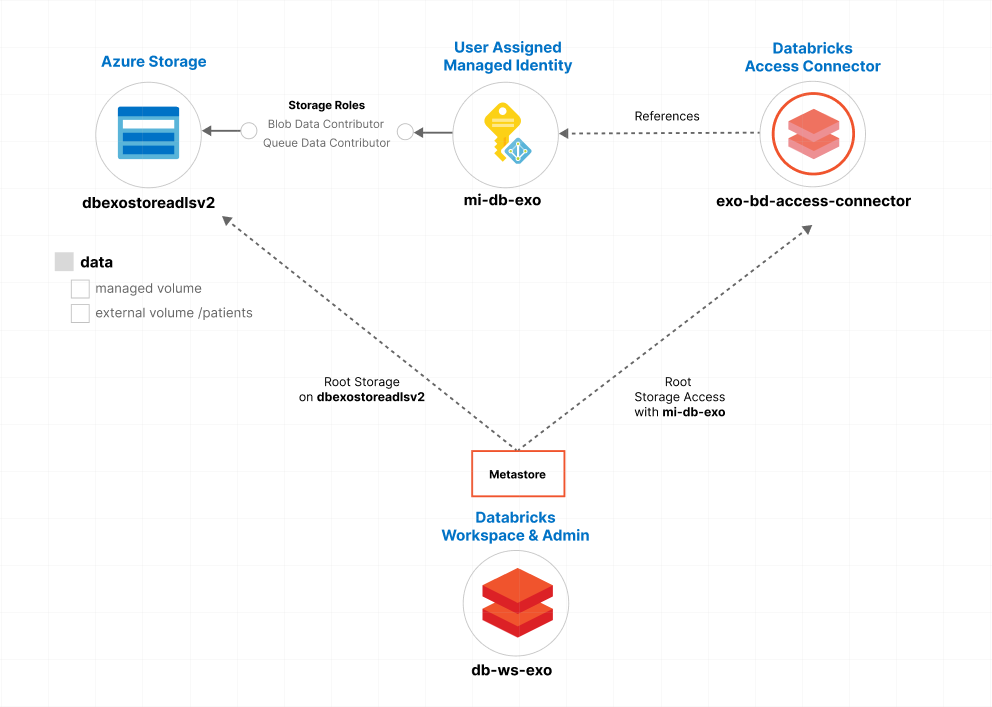
How to Create Unity Catalog Volumes in Azure Databricks
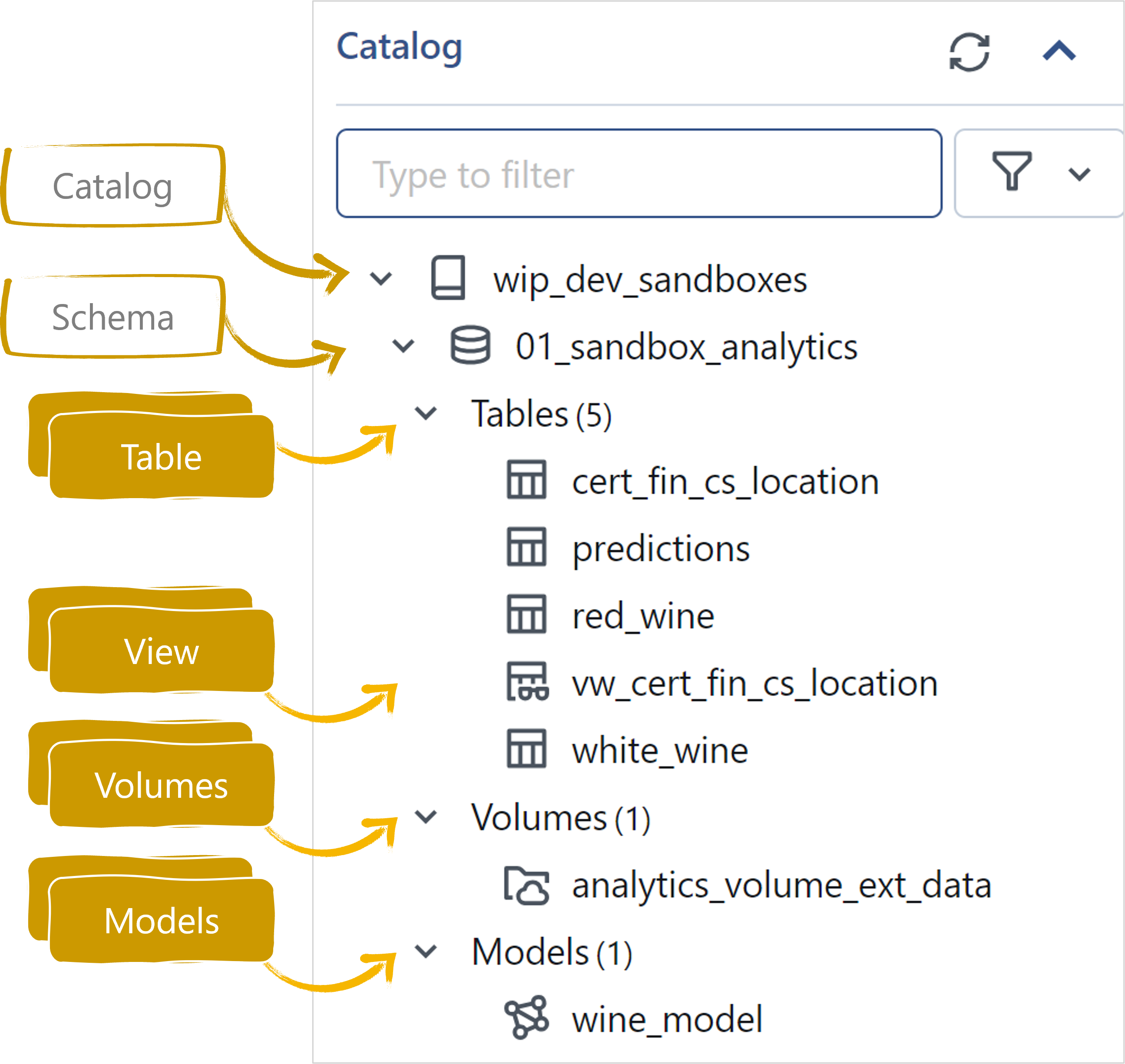
An Ultimate Guide to Databricks Unity Catalog

Databricks Unity Catalog Einblicke in die wichtigsten Komponenten und
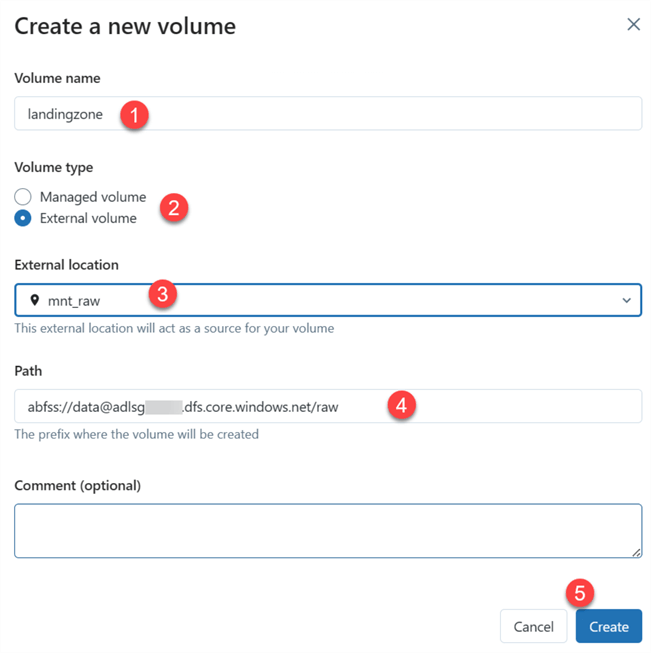
Databricks Unity Catalog and Volumes StepbyStep Guide
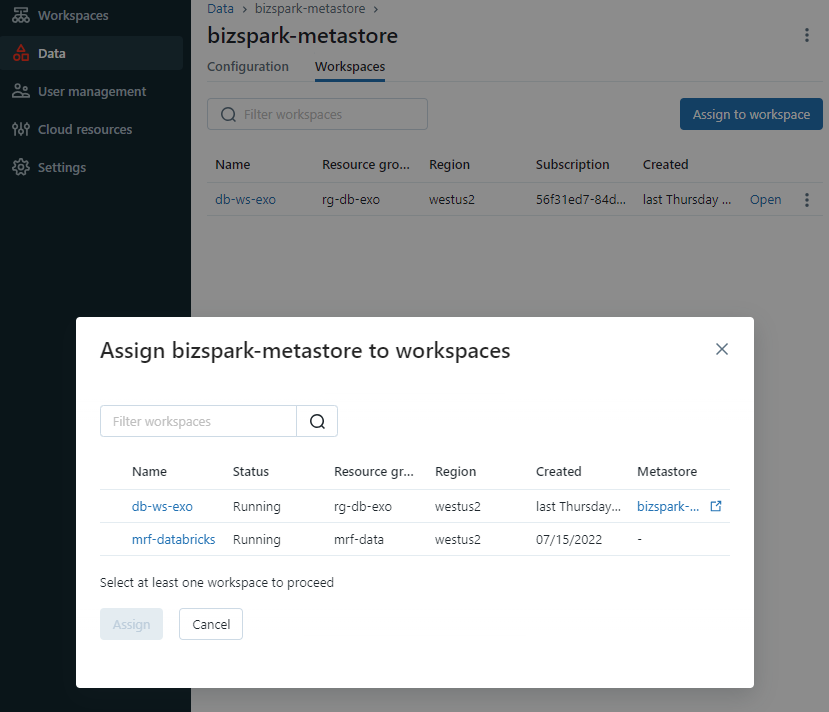
How to Create Unity Catalog Volumes in Azure Databricks
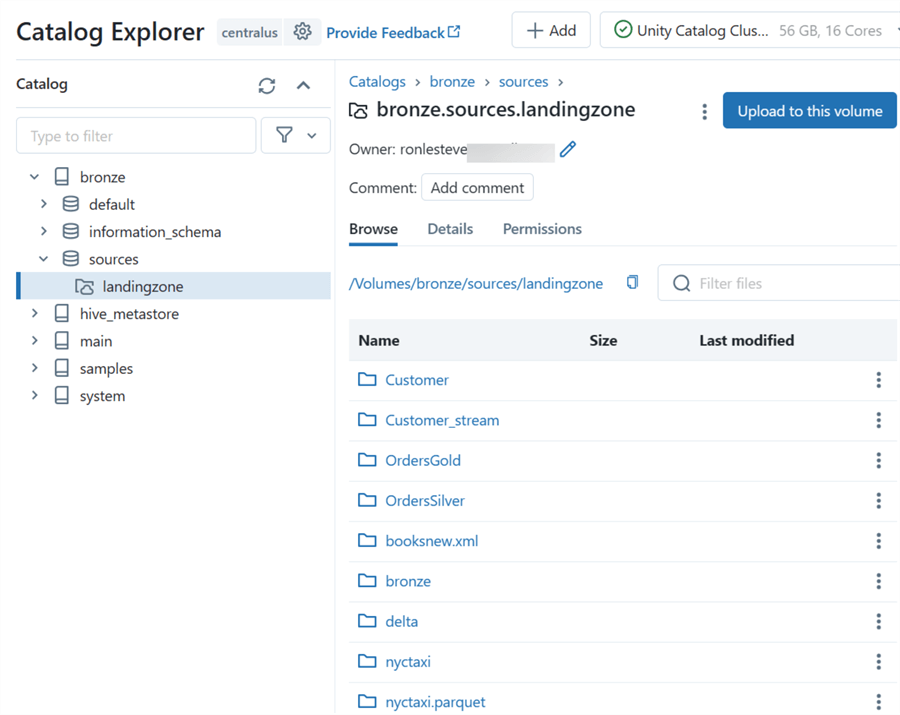
Databricks Unity Catalog and Volumes StepbyStep Guide
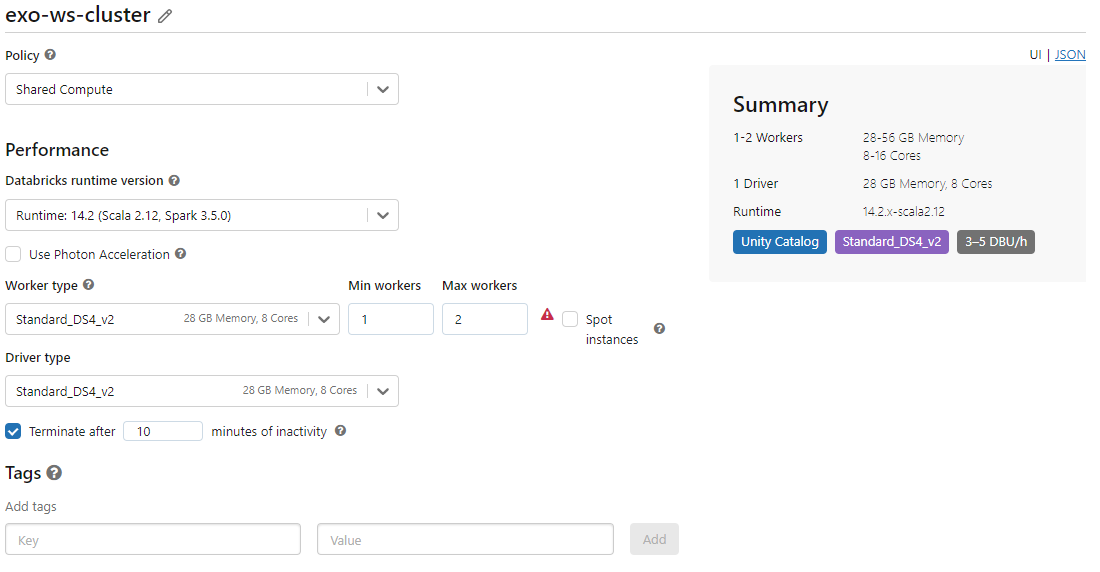
How to Create Unity Catalog Volumes in Azure Databricks
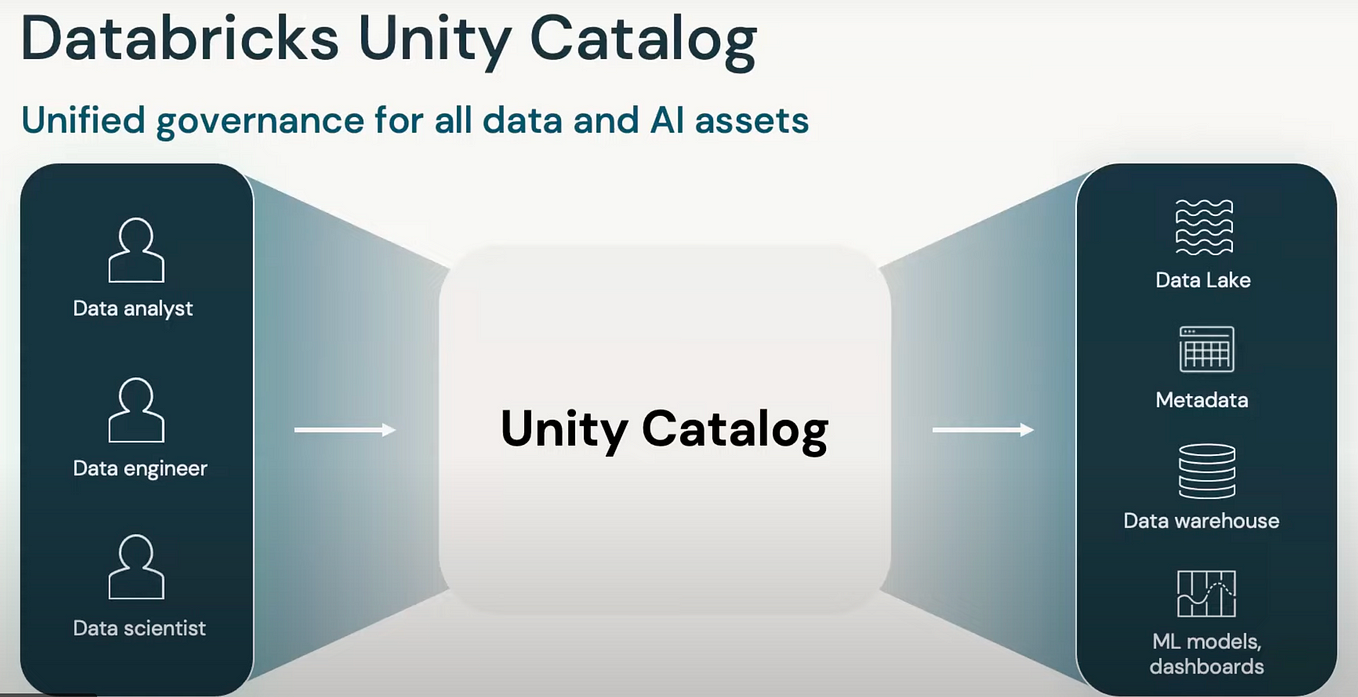
Unity Catalog Volumes. Unity Catalog Volumes, the latest… by Sharath

Databricks Volumes (Unity Catalog) vs DBFS Mount
Databricks Unity Catalog Robust Data Governance & Discovery
To Interact With Files In A Volume, Do The Following:
Volumes Represent A Logical Volume Of Storage In A Cloud Object Storage Location.
Unity Catalog Is The Central Place To.
Volumes Are Unity Catalog Objects Representing A Logical Volume Of Storage In A Cloud Object Storage Location.
Related Post: