What Is A Catalogue In Lightroom
What Is A Catalogue In Lightroom - When you edit photos, rate them, add keywords to them, organize them into collections, or do anything else to them in lightroom classic, all those changes are stored in the catalog. For example because the catalog you open manually each time is not actually on your g: A lightroom catalog is a database for storing and organizing photos to edit in lightroom’s editing software. Anything you do to your files, within lightroom, is stored in the catalog. What is the lightroom catalog? The catalog holds information about the photograph and also has a location indicator of where the image file is stored. It is accessed, slightly confusingly, from the library module. What actually is a lightroom catalog? Think of the catalog as the heart of lightroom—it’s where all your photo edits, metadata, and organization are stored. You can also choose a catalog from the file > open recent menu. This record contains three key pieces of information about each photo: What is a lightroom catalog? It includes all your developing work along with your photos’ metadata. The catalog in lightroom classic is a database that contains all the data related to the photos you import, but it does not contain the actual image files (see the next section for more on that). You'll learn how to quickly gr. It contains a list of all the images you have added to it, their properties and all the processing steps you have applied to them. What actually is a lightroom catalog? When you open a different catalog, lightroom classic closes the current catalog and relaunches. In essence, a catalog is a database. A lightroom catalog is the means by which adobe lightroom keeps track of the images on your computer. In my experience, tools that promise efficiency but require you to change your workflow. In the lightroom catalog, and to be clear, i am talking specifically about lightroom classic, the rich desktop style application, not the cloud version, a similar model is used. Let’s compare to a physical library of books to illustrate. The fact that it works directly with. In a nutshell, a lightroom catalog is a file containing all the information about the images uploaded to adobe lightroom. It points to the image files that you have on your computer. In my experience, tools that promise efficiency but require you to change your workflow. A lightroom catalog stores metadata, which includes information about photos, such as the lens. In this tutorial, we'll explain what quick collections are in adobe lightroom and how to use them to streamline your workflow. Whether you're a novice or a seasoned pro, there's something here for everyone to learn and apply. Most likely it is currently set to a specific catalog, but that one does not exist anymore. If you choose add photos. The catalog in lightroom classic is a database that contains all the data related to the photos you import, but it does not contain the actual image files (see the next section for more on that). Once you have loaded a catalog, the workspace will only show you the images inside this specific folder. While this article may sound basic,. Employing a database system means lightroom does not work with the original files directly. Editing raw files in lightroom is like creating a recipe for how you want your photos to. Lightroom catalogs are the backbone of an organized, efficient editing workflow. What is the lightroom catalog? When you select add photos from the all photos view, you can contribute. Whether you're a novice or a seasoned pro, there's something here for everyone to learn and apply. Your lightroom catalog does not store the images anymore that the library’s card catalog had books in it. Drive but on another drive, and you never noticed that this is the. In this tutorial, we'll explain what quick collections are in adobe lightroom. The lightroom classic catalog is an sqlite database containing information about your photos. The catalog holds information about the photograph and also has a location indicator of where the image file is stored. In this tutorial, we'll explain what quick collections are in adobe lightroom and how to use them to streamline your workflow. If you choose add photos from. It includes all your developing work along with your photos’ metadata. What is the lightroom classic catalog? In essence, a catalog is a database. If you choose add photos from ios photos , from files , or from camera device , photos or videos that are not already part of your own account are imported into your lightroom catalog before. Understanding that the catalog is a database is only half the battle. Editing raw files in lightroom is like creating a recipe for how you want your photos to. The lightroom classic catalog is a database that tracks the location of your photos and information about them. It contains a list of all the images you have added to it,. You'll learn how to quickly gr. A single catalog can hold an enormous amount of images. This record contains three key pieces of information about each photo: Choose file > open catalog. When you edit photos, rate them, add keywords to them, organize them into collections, or do anything else to them in lightroom classic, all those changes are stored. Let’s compare to a physical library of books to illustrate. The files themselves are not touched. A catalog consists of a directory containing a catalog file with an lrcat extension and (if you import your images there) a set of directories organised by year and date. What is the lightroom catalog? Let’s discover what they are. Editing raw files in lightroom is like creating a recipe for how you want your photos to. What is the lightroom catalog? When you import photos into lightroom classic, you create a link between the photo itself and the record of the photo in the catalog. In a nutshell, a lightroom catalog is a file containing all the information about the images uploaded to adobe lightroom. When you select add photos from the all photos view, you can contribute photos that are already imported into your lightroom catalog. Anything you do to your files, within lightroom, is stored in the catalog. Whether you're a novice or a seasoned pro, there's something here for everyone to learn and apply. The catalog holds information about the photograph and also has a location indicator of where the image file is stored. Check in the lightroom classic preferences that the catalog to open is set to 'most recent catalog'. It points to the image files that you have on your computer. It includes all your developing work along with your photos’ metadata.
Lightroom Catalog Management Single VS Multiple Catalogs

How to create and use the Lightroom catalog in Lightroom Classic
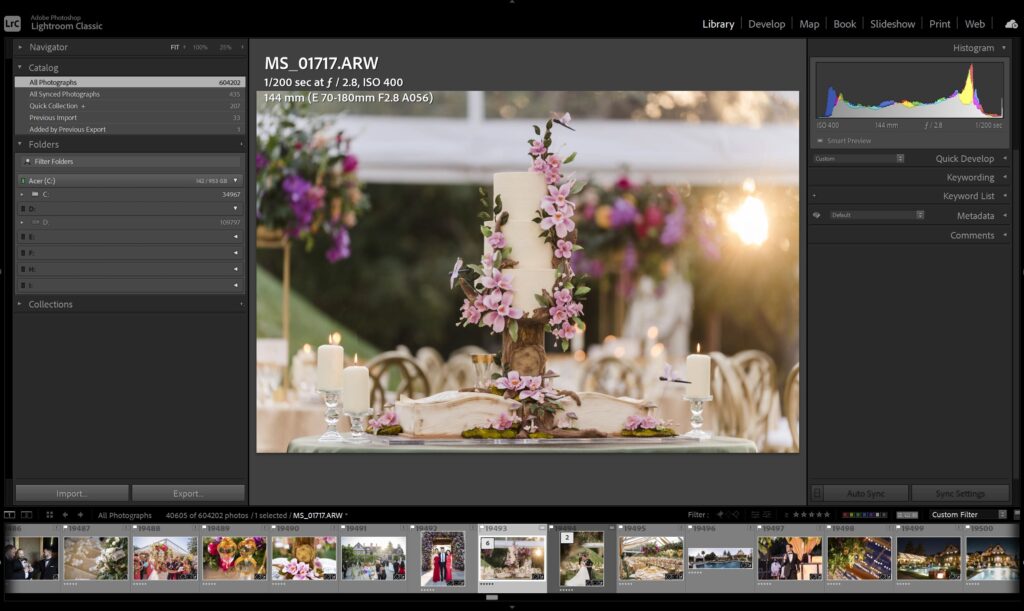
Lightroom Catalog Management Single VS Multiple Catalogs

How to create and use the Lightroom catalog in Lightroom Classic

What is the Lightroom Catalog? The Creative Photographer

Understanding the Lightroom Catalog System YouTube

How to Create a Lightroom Catalog! (Adobe Lightroom CC Tutorial) YouTube

The Lightroom catalog Digital Photography Review
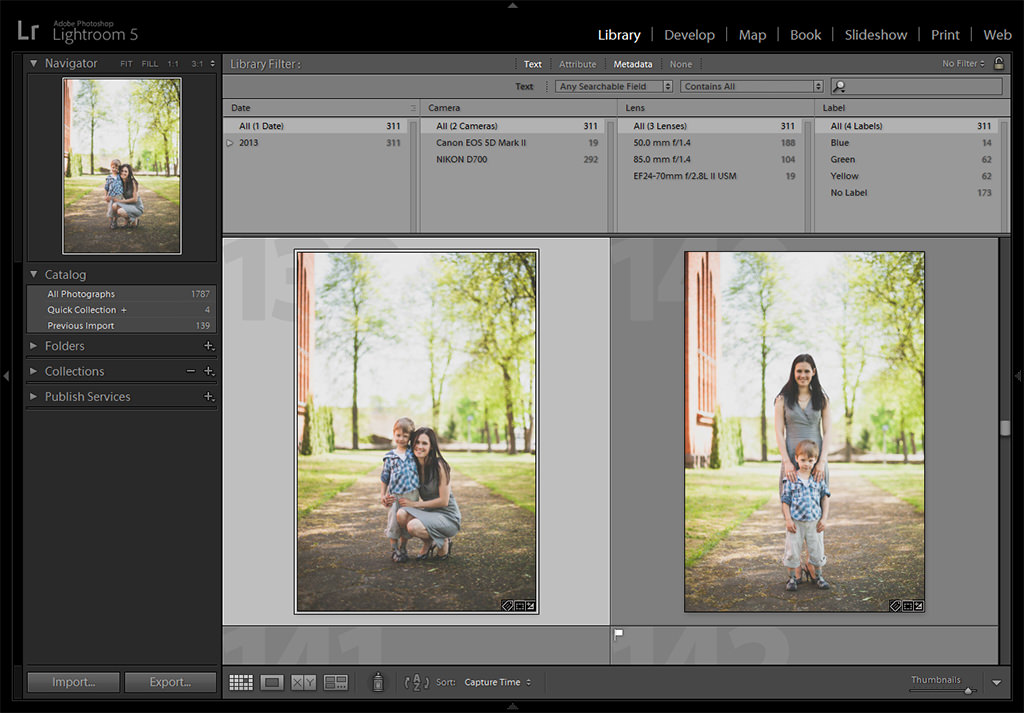
Lightroom Catalogs Explained
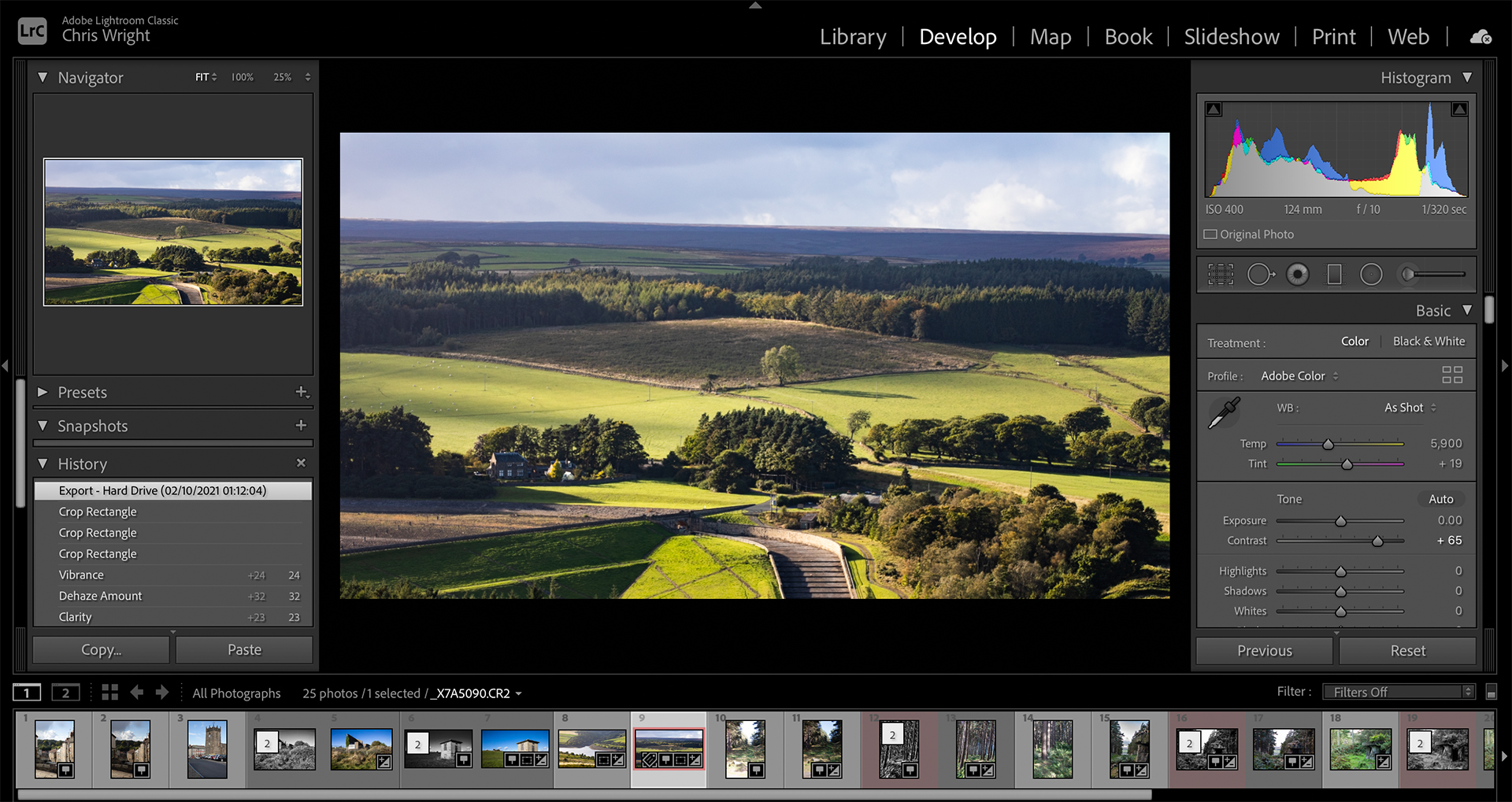
What Is A Lightroom Classic Catalog at Rosie Halsey blog
Your Lightroom Catalog Is A Database That Stores Information About Your Photographs.
From Understanding The Fundamentals Of Lightroom Catalogs To Diving Into Advanced Techniques Like Merging Catalogs And Optimizing Performance, We've Covered It All.
The Fact That It Works Directly With Lightroom Catalogs Means I Don’t Need To Redevelop My Workflow.
What Actually Is A Lightroom Catalog?
Related Post: