What Is Databricks Unity Catalog
What Is Databricks Unity Catalog - Unity catalog is a comprehensive governance solution for data and ai on databricks, adding an extra layer of security for accessing data. Unity catalog provides centralized access control, auditing, lineage, and data discovery. This article gives an overview of catalogs in unity catalog. Learn how unity catalog in databricks revolutionizes data governance with centralized management, improved security, and scalable permissions across workspaces. A catalog is the primary unit of data organization in the databricks unity catalog data governance model. Suppose, in a lakehouse project, there is a. Inside unity there are two types of catalogs — hive_metastore and unity ‘governed’ catalogs. It helps simplify security and governance of your data and ai assets by. It helps simplify security and governance of your data and ai assets by. It creates a central repository. Unity catalog (uc) is the foundation for all governance and management of data objects in databricks data intelligence platform. Inside unity there are two types of catalogs — hive_metastore and unity ‘governed’ catalogs. Catalogs, databases (also called schemas), and tables / views. Suppose, in a lakehouse project, there is a. Key features of unity catalog include: The databricks unity catalog is a centralized data governance layer that allows for granular security control and managing data and metadata assets in a unified system. Unity catalog is a unified governance solution for data and ai assets on databricks lakehouse. It creates a central repository. Summary groupement mousquetaires, supported by its it arm la stime, adopted unity catalog within databricks to centralize data governance, streamline access, and improve. Unity catalog is a comprehensive governance solution for data and ai on databricks, adding an extra layer of security for accessing data. With unity catalog, admins and data stewards manage users and their access to data centrally across all of the workspaces in an azure databricks account. Unity catalog provides centralized access control, auditing, lineage, and data discovery. Unity catalog is a powerful tool for managing and securing data within databricks workspaces, providing centralized access control, auditing, lineage tracking, and data discovery.. Unity catalog provides centralized access control, auditing, lineage, and data discovery. What exactly is the databricks unity catalog? Unity catalog is a solution that enables data and ai governance across any cloud or platform. The databricks unity catalog is a centralized data governance layer that allows for granular security control and managing data and metadata assets in a unified system.. Hive_metastore can be an internal hive metastore which comes bundled with each. Unity catalog is a unified governance solution for data and ai assets on databricks. What exactly is the databricks unity catalog? Unity catalog is a solution that enables data and ai governance across any cloud or platform. Key features of unity catalog include: A catalog is the primary unit of data organization in the databricks unity catalog data governance model. Unity catalog is a powerful tool for managing and securing data within databricks workspaces, providing centralized access control, auditing, lineage tracking, and data discovery. What exactly is the databricks unity catalog? Summary groupement mousquetaires, supported by its it arm la stime, adopted unity. Unity catalog offers a single place to administer data access. This article gives an overview of catalogs in unity catalog and how. A catalog is the primary unit of data organization in the databricks unity catalog data governance model. It helps simplify security and governance of your data and ai assets by. Since its launch several years ago unity catalog. It helps simplify security and governance of your data and ai assets by. With unity catalog, admins and data stewards manage users and their access to data centrally across all of the workspaces in an azure databricks account. Unity catalog (uc) is the foundation for all governance and management of data objects in databricks data intelligence platform. Key features of. Unity catalog provides centralized access control, auditing, lineage, and data discovery. Unity catalog is a solution that enables data and ai governance across any cloud or platform. This article gives an overview of catalogs in unity catalog. Unity catalog is a comprehensive governance solution for data and ai on databricks, adding an extra layer of security for accessing data. A. Unity catalog provides centralized access control, auditing, lineage, and data discovery. Catalogs, databases (also called schemas), and tables / views. Unity catalog is a unified governance solution for data and ai assets on databricks. The databricks unity catalog is a centralized data governance layer that allows for granular security control and managing data and metadata assets in a unified system.. Why unity catalog is used primarily? Since its launch several years ago unity catalog has. Key features of unity catalog include: A catalog is the primary unit of data organization in the databricks unity catalog data governance model. Unity catalog offers a single place to administer data access. Key features of unity catalog include: A catalog is the primary unit of data organization in the azure databricks unity catalog data governance model. Unity catalog offers a single place to administer data access. Suppose, in a lakehouse project, there is a. It creates a central repository. Learn how unity catalog in databricks revolutionizes data governance with centralized management, improved security, and scalable permissions across workspaces. What exactly is the databricks unity catalog? Unity catalog is a unified governance solution for data and ai assets on databricks lakehouse. With unity catalog, admins and data stewards manage users and their access to data centrally across all of the workspaces in an azure databricks account. Unity catalog (uc) is the foundation for all governance and management of data objects in databricks data intelligence platform. Unity catalog is a unified governance solution for data and ai assets on databricks. A catalog is the primary unit of data organization in the azure databricks unity catalog data governance model. Summary groupement mousquetaires, supported by its it arm la stime, adopted unity catalog within databricks to centralize data governance, streamline access, and improve. Unity catalog is a comprehensive governance solution for data and ai on databricks, adding an extra layer of security for accessing data. The databricks unity catalog is a centralized data governance layer that allows for granular security control and managing data and metadata assets in a unified system. Key features of unity catalog include: Suppose, in a lakehouse project, there is a. Unity catalog offers a single place to administer data access. Unity catalog provides centralized access control, auditing, lineage, and data discovery capabilities across databricks workspaces. Since its launch several years ago unity catalog has. Hive_metastore can be an internal hive metastore which comes bundled with each.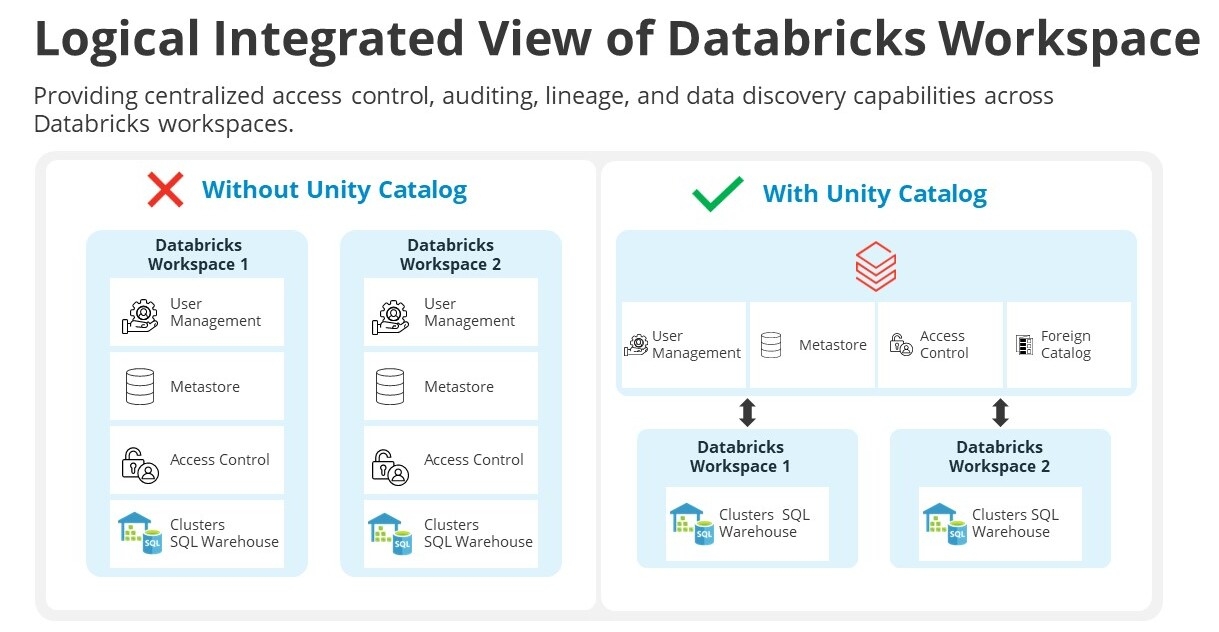
Getting started with the Databricks Unity Catalog
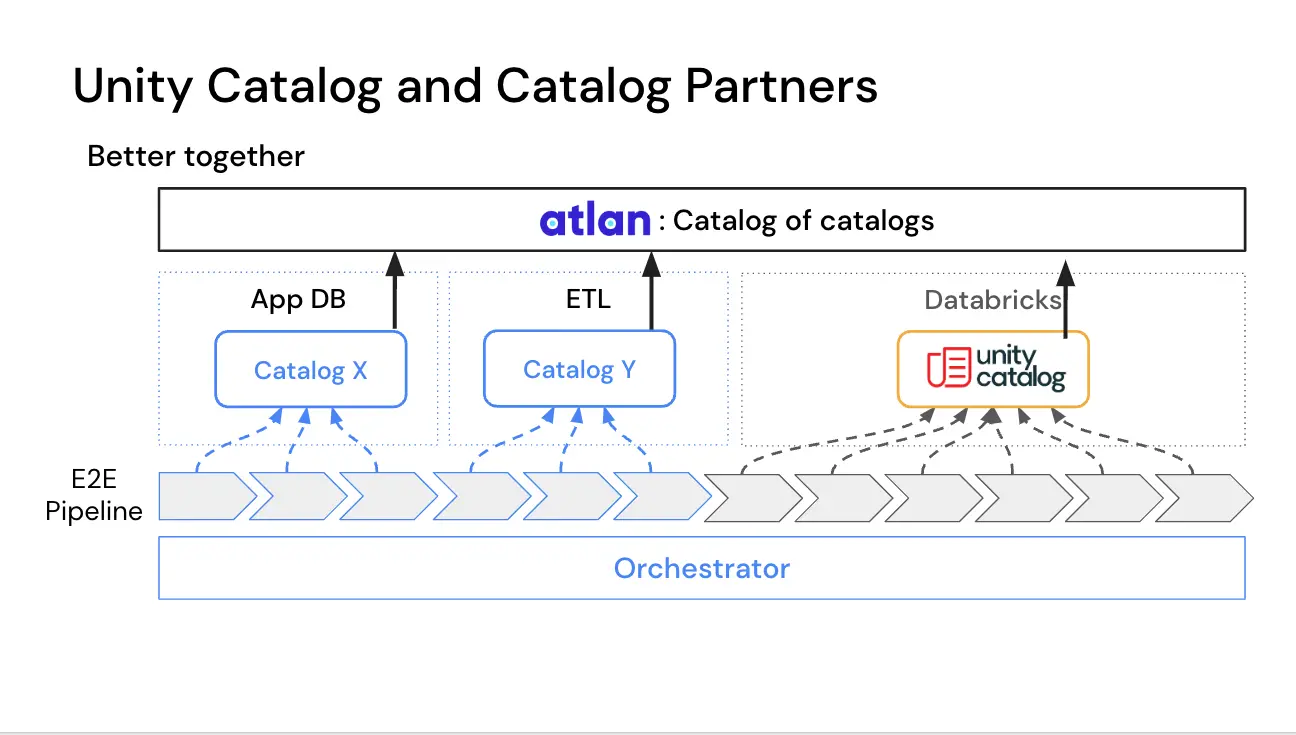
Databricks Unity Catalog Everything You Need to Know

Databricks Unity Catalog Einblicke in die wichtigsten Komponenten und
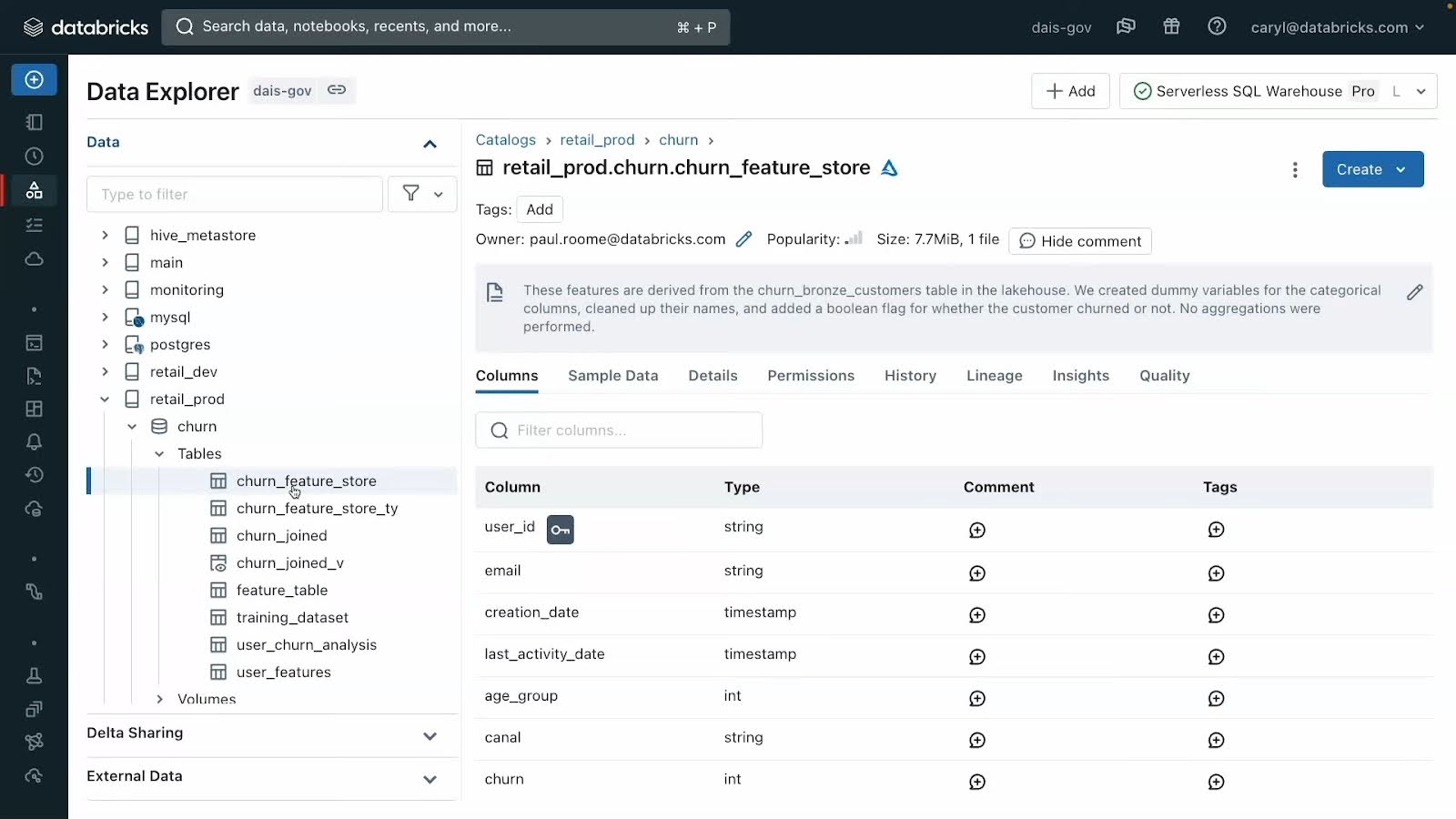
What is Databricks Unity Catalog (and Should I Be Using It)? Sync
Databricks Unity Catalog Robust Data Governance & Discovery

Databricks Unity Catalog part1 what is databricks unity catalog?

Databricks Unity Catalog with Zeashan Pappa Software Engineering Daily
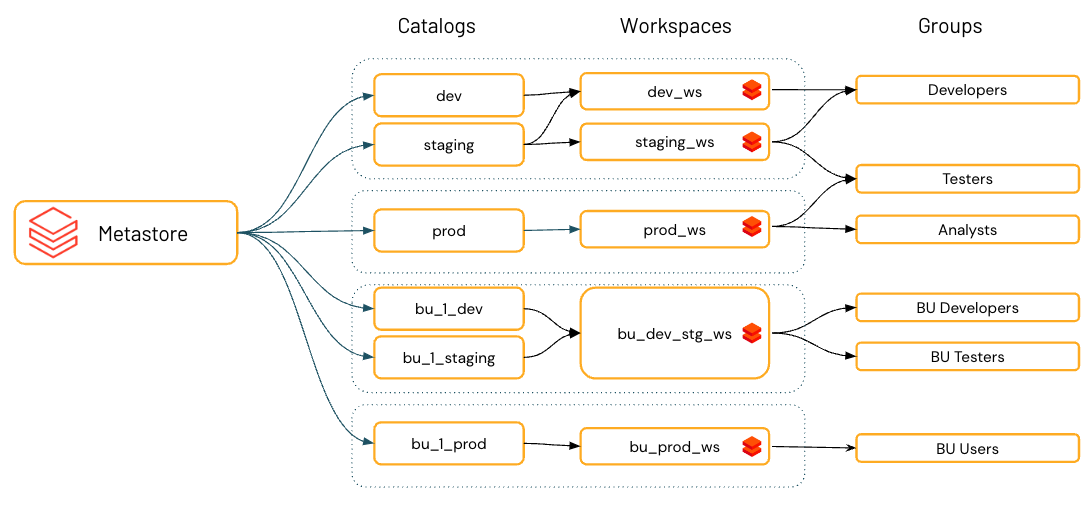
Unity Catalog best practices Azure Databricks Microsoft Learn
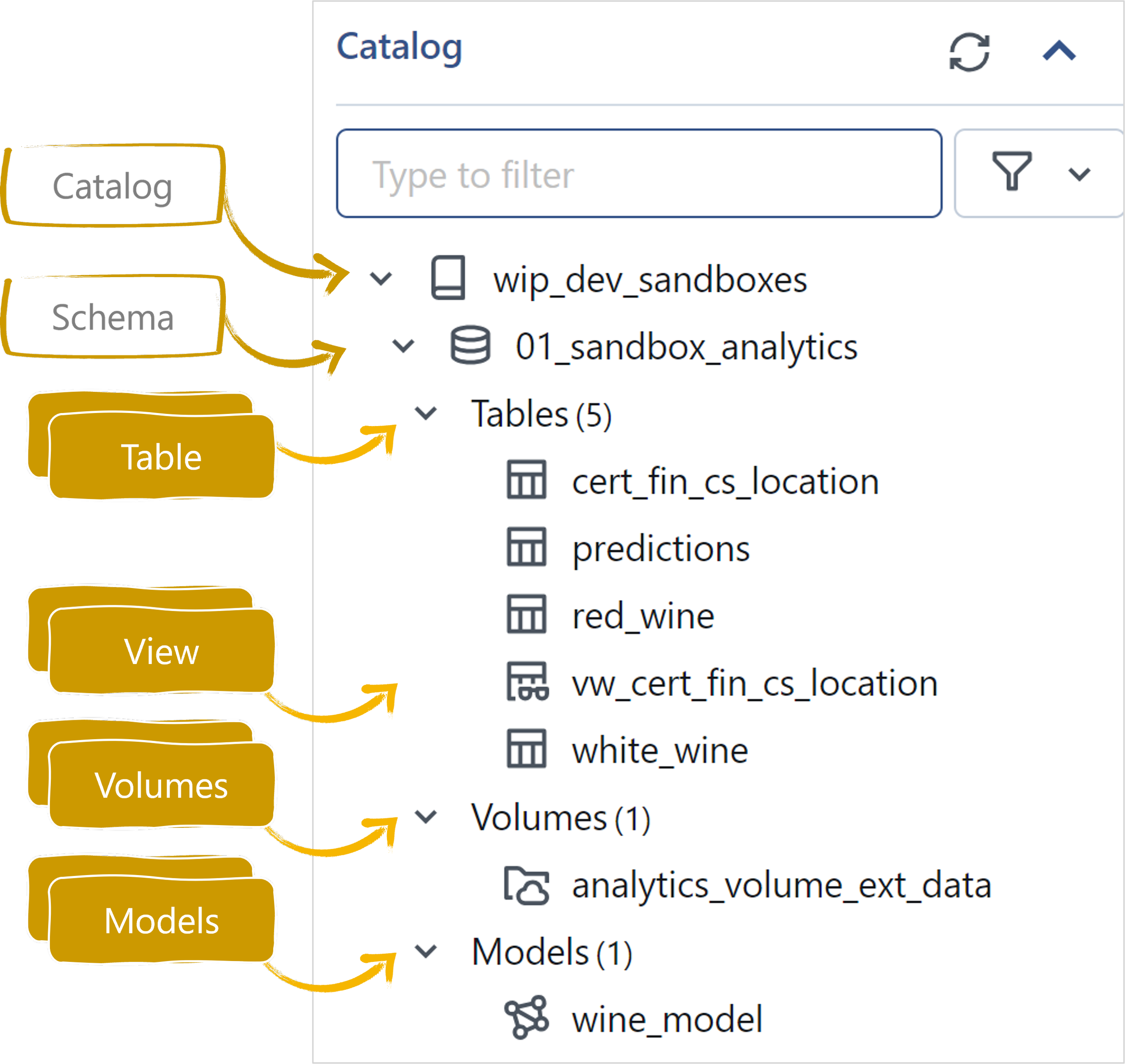
An Ultimate Guide to Databricks Unity Catalog — Advancing Analytics
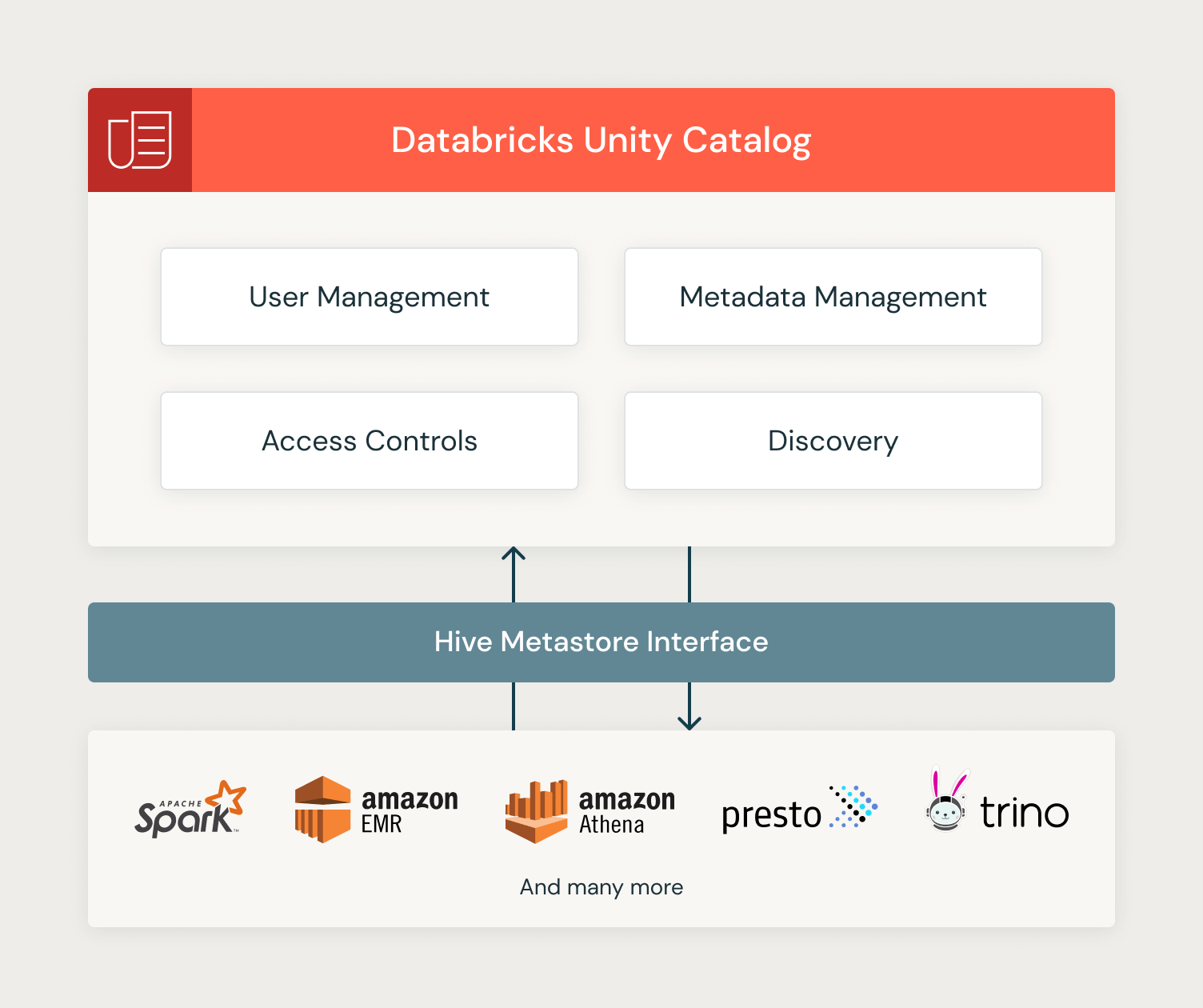
Extending Databricks Unity Catalog with an Open Apache Hive Metastore
Catalogs, Databases (Also Called Schemas), And Tables / Views.
It Creates A Central Repository.
Why Unity Catalog Is Used Primarily?
Unity Catalog Is A Powerful Tool For Managing And Securing Data Within Databricks Workspaces, Providing Centralized Access Control, Auditing, Lineage Tracking, And Data Discovery.
Related Post: