Why Each Version Of Lightroom Create New Catalog
Why Each Version Of Lightroom Create New Catalog - When organising lightroom catalogs its important to bear in mind that the multiple images that you will import from your. It does not work any other way. In the lightroom catalog, and to be clear, i am talking specifically about lightroom classic, the rich desktop style application, not the cloud version, a similar model is used. I shoot portraits and weddings. It seems that the more photos i import into lightroom the slower lightroom. There is zero workflow benefit to starting a new catalog each time. Starting a new lightroom catalog each year is a simple yet effective way to keep adobe lightroom performing as expected while enhancing your workflow as a motorsport. As with the rest of your lightroom workflow, it depends on how you work. The reason for importing is so the catalogue can read the metadata and most importantly knows. It's right that you have to update your catalog. It seems that the more photos i import into lightroom the slower lightroom. To use lrc to have to import files into it. It's right that you have to update your catalog. You need to decide whether you want to create a single catalog or multiple catalogs, follow a clear naming structure, import. It's right that you have to update your catalog. You could create a new catalog for every new event or category that you shoot. When organising lightroom catalogs its important to bear in mind that the multiple images that you will import from your. But normally all is done automatically and lightroom create a new catalog and bring it up to the new version. When you do, lightroom classic upgrades it. So should you use a single main working catalog*, or should you. You could create a new catalog for every new event or category that you shoot. It does not work any other way. To use lrc to have to import files into it. You need to decide whether you want to create a single catalog or multiple catalogs, follow a clear naming structure, import. How to create and organize lightroom catalogs. When organising lightroom catalogs its important to bear in mind that the multiple images that you will import from your. And that’s what i do. There is zero workflow benefit to starting a new catalog each time. But i also have a. The reason for importing is so the catalogue can read the metadata and most importantly knows. To use lrc to have to import files into it. There is zero workflow benefit to starting a new catalog each time. When organising lightroom catalogs its important to bear in mind that the multiple images that you will import from your. You need to decide whether you want to create a single catalog or multiple catalogs, follow a clear. A catalog in lightroom classic is a collection of records for each of your photos with key information like metadata such as camera settings (camera, lens type), storage. To use lrc to have to import files into it. You will likely need to create a new catalog anyway once you reach a high number of imported photographs for reasons discussed. The new, upgraded catalog contains all of the metadata associated with the. As with the rest of your lightroom workflow, it depends on how you work. But i also have a. Lr is designed to work with a single catalog and many of the features (collections, smart collections, keyword sorting) don't. How to create and organize lightroom catalogs. To use lrc to have to import files into it. When organising lightroom catalogs its important to bear in mind that the multiple images that you will import from your. There is no ‘right’ number of catalogs. Each category has its own database. You could create a new catalog for every new event or category that you shoot. It's right that you have to update your catalog. But normally all is done automatically and lightroom create a new catalog and bring it up to the new version. You can open a catalog from an earlier version of lightroom classic, including a beta version in a more recent version of lightroom classic. As with the rest of your lightroom. Lr is designed to work with a single catalog and many of the features (collections, smart collections, keyword sorting) don't. My question is about the use of catalogs and how often people use a catalog before starting a new one. You need to decide whether you want to create a single catalog or multiple catalogs, follow a clear naming structure,. Starting a new lightroom catalog each year is a simple yet effective way to keep adobe lightroom performing as expected while enhancing your workflow as a motorsport. When you do, lightroom classic upgrades it. But i also have a. When organising lightroom catalogs its important to bear in mind that the multiple images that you will import from your. Each. In the lightroom catalog, and to be clear, i am talking specifically about lightroom classic, the rich desktop style application, not the cloud version, a similar model is used. Some photographers swear by creating a new catalog for each year or for every wedding or session. I shoot portraits and weddings. But normally all is done automatically and lightroom create. Some photographers swear by creating a new catalog for each year or for every wedding or session. I shoot portraits and weddings. My question is about the use of catalogs and how often people use a catalog before starting a new one. In the lightroom catalog, and to be clear, i am talking specifically about lightroom classic, the rich desktop style application, not the cloud version, a similar model is used. Lr is designed to work with a single catalog and many of the features (collections, smart collections, keyword sorting) don't. When you export, lightroom creates a new version of the image that includes your changes. A catalog in lightroom classic is a collection of records for each of your photos with key information like metadata such as camera settings (camera, lens type), storage. Starting a new lightroom catalog each year is a simple yet effective way to keep adobe lightroom performing as expected while enhancing your workflow as a motorsport. It's right that you have to update your catalog. And that’s what i do. You could create a new catalog for every new event or category that you shoot. But normally all is done automatically and lightroom create a new catalog and bring it up to the new version. It's right that you have to update your catalog. There is no ‘right’ number of catalogs. There is zero workflow benefit to starting a new catalog each time. So should you use a single main working catalog*, or should you.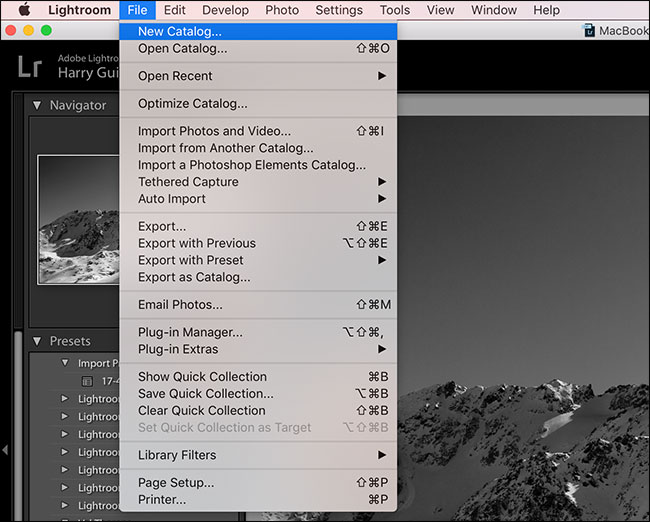
How to Create a New Catalog in Lightroom
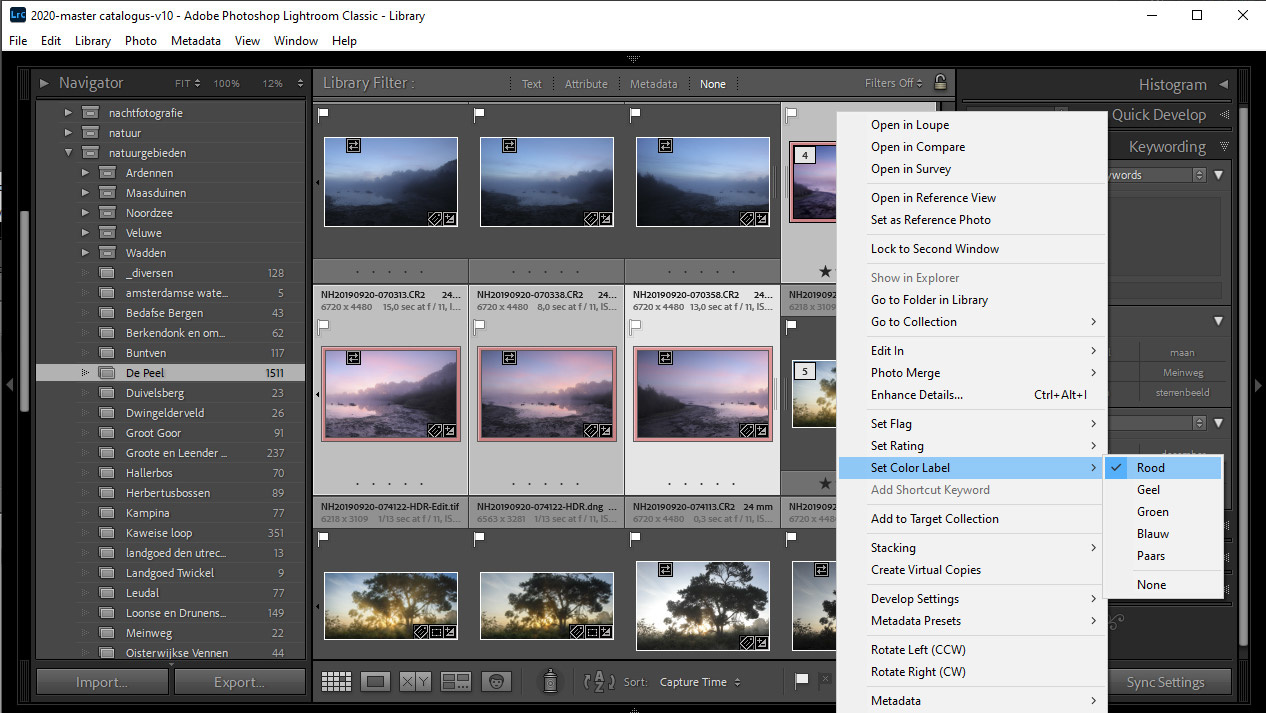
10 Tips to Create Order in Your Lightroom Classic Catalog Fstoppers
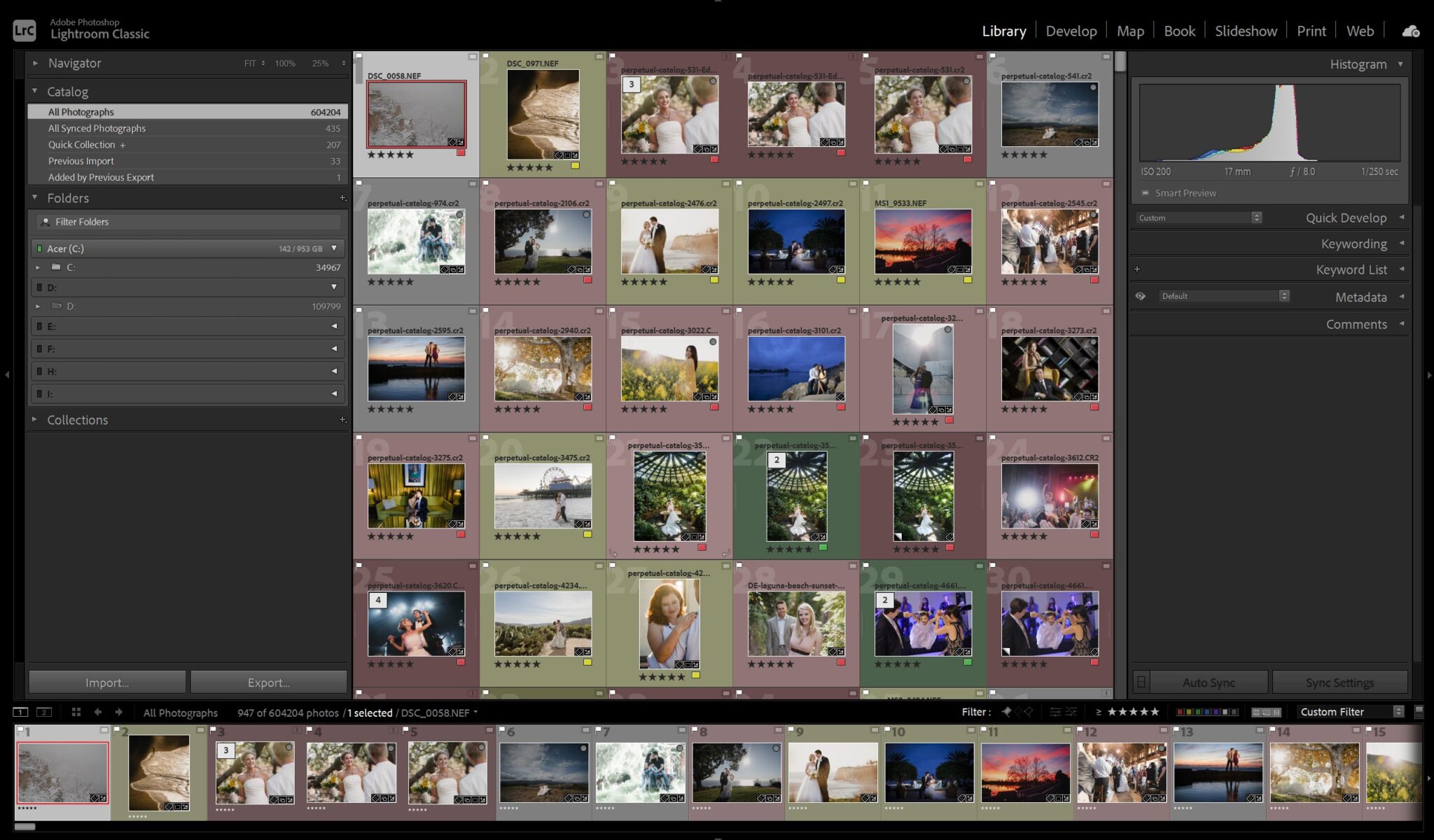
Lightroom Catalog Management Single VS Multiple Catalogs

How to Create a New Catalog in Lightroom PFRE

Create a New Catalog in Lightroom Classic CC Instructions

Creating a New Catalog in Lightroom Classic CC Lightroom, Lightroom

Lightroom Classic CC Tutorial Creating New Catalogs Adobe Training
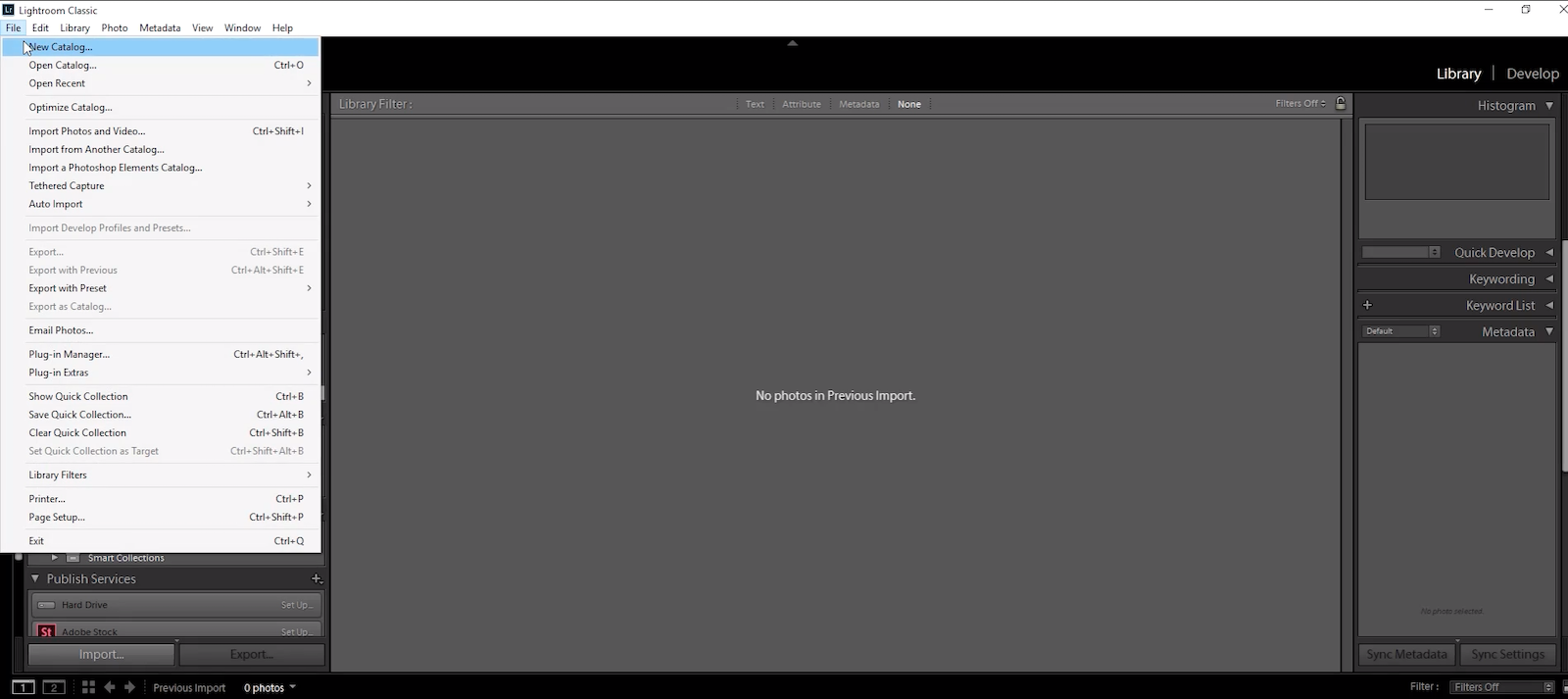
How to Organize Your Photos in Lightroom in 10 Steps

litometal Blog
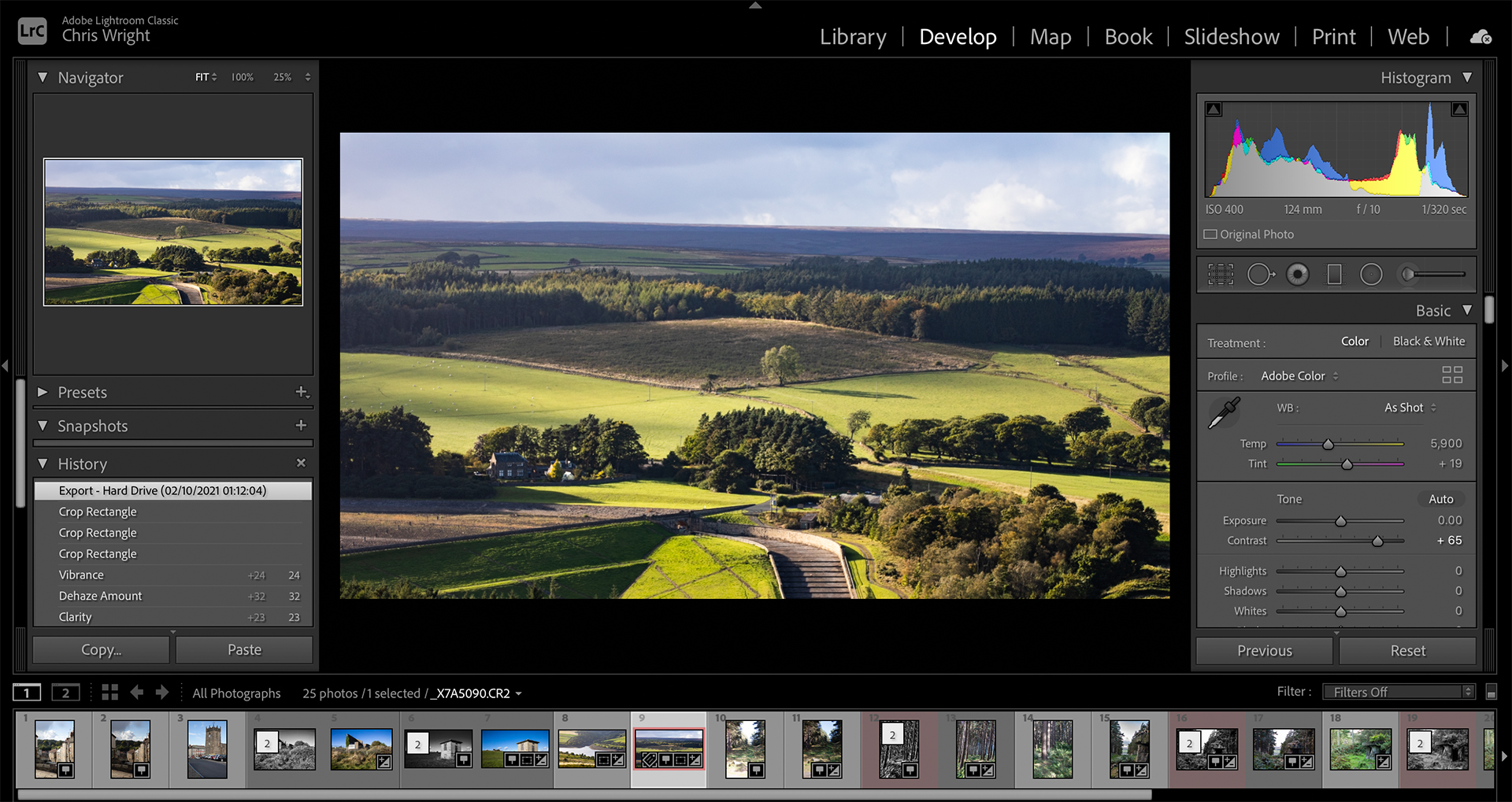
What Is A Lightroom Classic Catalog at Rosie Halsey blog
But Normally All Is Done Automatically And Lightroom Create A New Catalog And Bring It Up To The New Version.
It Seems That The More Photos I Import Into Lightroom The Slower Lightroom.
How To Create And Organize Lightroom Catalogs.
You Need To Decide Whether You Want To Create A Single Catalog Or Multiple Catalogs, Follow A Clear Naming Structure, Import.
Related Post: